April 29, 2026
A chimney plays an important role in keeping a home warm, comfortable, and safe during colder months. When it works properly, it helps direct smoke, gases, and combustion byproducts out of the home while allowing the fireplace or heating appliance to function as intended. However, because much of the chimney system is hidden from everyday view, it can be easy to overlook problems until they become more serious. Cracks, blockages, moisture damage, and buildup inside the flue can all affect how safely and efficiently the chimney performs.
Keeping your chimney in good condition requires regular attention and professional care. Homeowners who use their fireplaces often should be especially mindful of routine maintenance, inspections, and timely repairs. Chimney cleaning is one of the most important steps in preventing hazards and improving performance, but it is only one part of proper chimney care. By understanding what affects chimney safety and efficiency, you can help protect your home and enjoy your fireplace with greater confidence.
Scheduling Regular Chimney Inspections
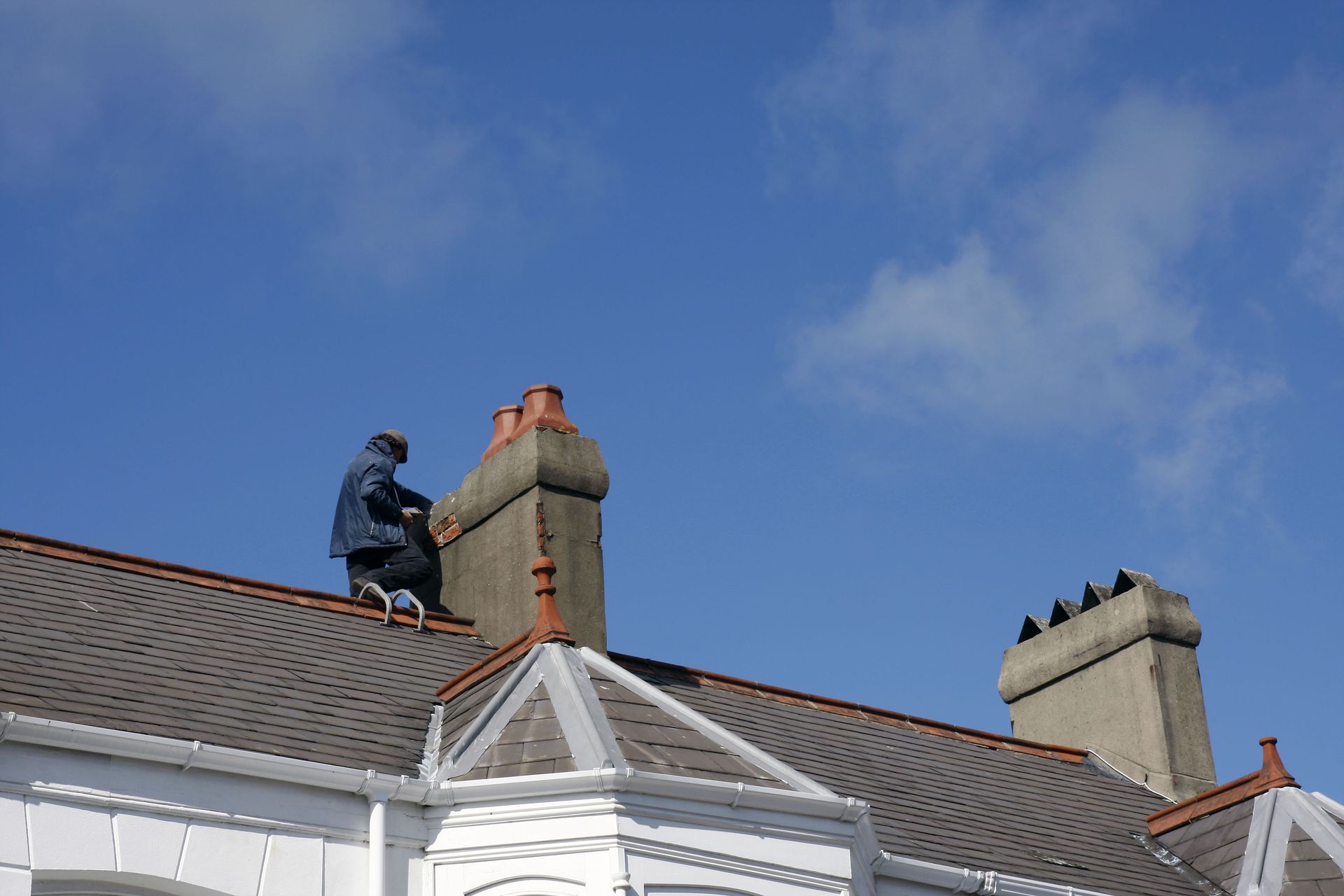
One of the best ways to keep your chimney safe is to schedule regular inspections. A professional inspection can identify issues that are not always visible from inside the home, such as cracks in the flue liner, loose masonry, damaged flashing, or signs of moisture intrusion. Even if your fireplace seems to be working normally, hidden damage can reduce efficiency and create safety concerns over time. Inspections also help confirm that the chimney meets current safety standards and is functioning as intended. They can also detect early warning signs that may not yet affect performance but could worsen without attention.
Inspections are also helpful because they allow small problems to be addressed before they become expensive repairs. A trained chimney professional can determine whether the structure is sound, whether the flue is clear, and whether the system is venting properly. This gives homeowners a clearer understanding of the chimney’s condition and helps them plan maintenance more effectively. Regular inspections also provide an opportunity to schedule chimney cleaning at the right time of year for optimal performance. Staying proactive with inspections can help extend the lifespan of the entire chimney system.
Removing Creosote with Chimney Cleaning
Whenever wood burns in a fireplace, creosote can form inside the chimney. This dark, sticky substance can cling to the flue walls and become dangerous if it builds up too heavily. Creosote is highly flammable, and excessive buildup can increase the risk of a chimney fire. Soot can also restrict airflow, making it harder for smoke and gases to exit the home properly. Over time, even a small amount of buildup can begin to affect how efficiently the system operates. If left unaddressed, this buildup can also produce unpleasant odors and reduce overall indoor air quality.
Professional chimney cleaning helps remove these deposits and keeps the flue clearer for safer operation. Homeowners should not rely only on appearance to decide whether cleaning is needed, since buildup can occur deep inside the chimney. Routine chimney cleaning supports better airflow, reduces fire risks, and helps the fireplace burn more efficiently throughout the season. Staying consistent can also extend the lifespan of the chimney system. Regular service also helps identify areas where buildup tends to form more quickly, allowing for more targeted maintenance.
Preventing Moisture Damage to the Chimney
Moisture is one of the most common threats to chimney systems. Rain, snow, ice, and humidity can all affect masonry, metal components, and interior flue materials. When water enters small cracks or gaps, it can expand during freeze-thaw cycles and make the damage worse. Over time, moisture can lead to crumbling mortar, rusted parts, stained walls, and weakened structural areas. If not addressed, moisture damage can compromise both safety and efficiency.
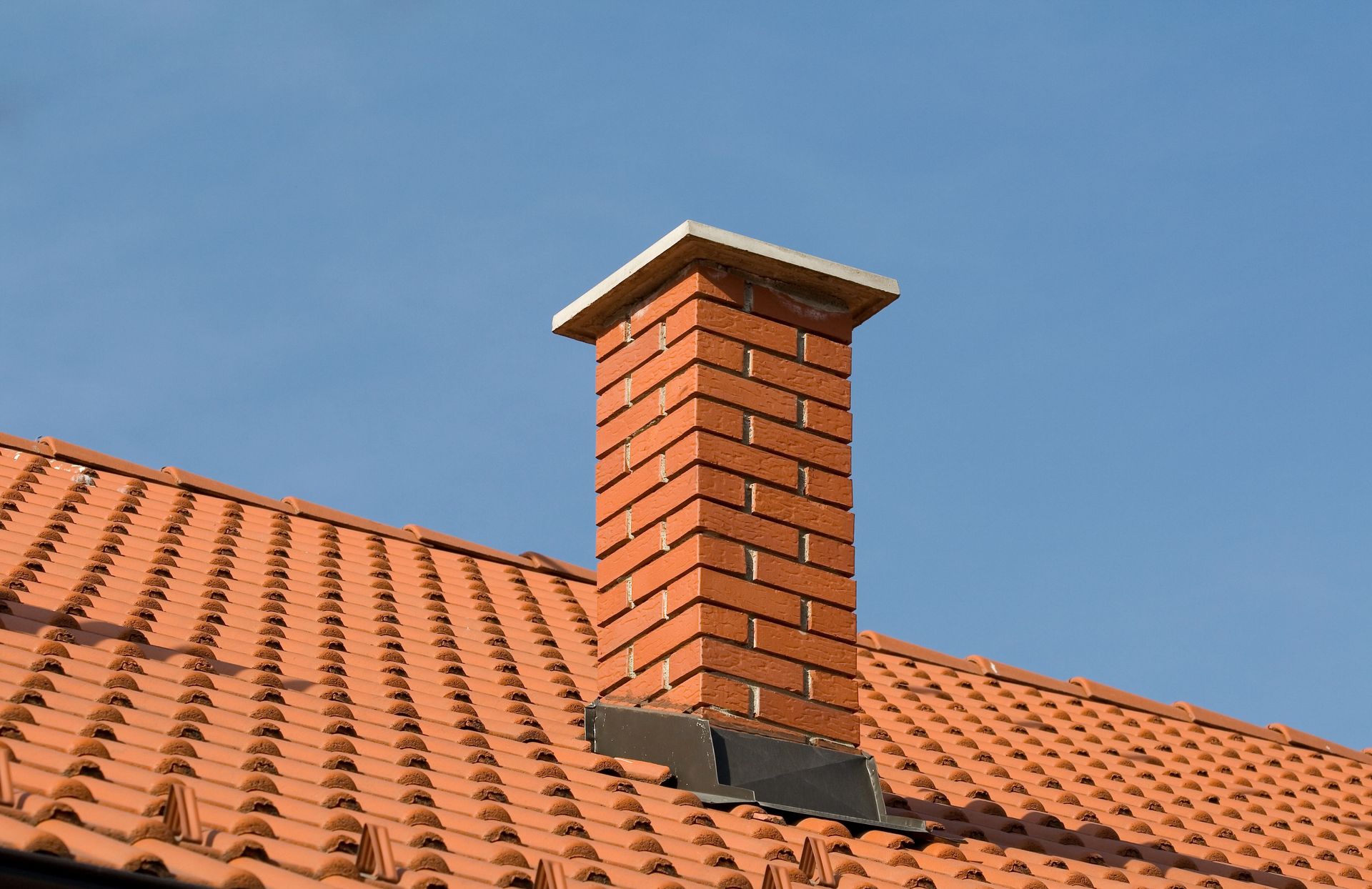
Homeowners can protect the chimney by making sure the cap, crown, flashing, and masonry are in good condition. A chimney cap helps keep rain, debris, and animals out of the flue, while proper flashing helps prevent leaks where the chimney meets the roof. Regular chimney cleaning also helps reveal hidden moisture-related damage that may otherwise go unnoticed until it worsens. Addressing moisture issues early helps preserve the chimney and reduces the likelihood of major repairs.
Improving Airflow and Overall Efficiency
Good airflow is essential for chimney efficiency. If the chimney does not draft properly, smoke may enter the living space instead of moving safely outside. Poor draft can be caused by blockages, buildup, cold air in the flue, an improperly sized chimney, or negative air pressure inside the home. When airflow is restricted, the fireplace may burn poorly and create more smoke than expected. This can lead to discomfort and potential indoor air quality concerns.
Routine chimney cleaning helps improve draft by keeping the flue clear of soot, creosote, leaves, nesting materials, and other obstructions. A professional can also evaluate whether other issues are affecting airflow. Improving draft performance helps the fireplace work more effectively, reduces smoke problems, and supports a safer indoor environment. Better airflow also contributes to more consistent heating and improved energy efficiency.
Using the Fireplace Safely and Responsibly
How you use your fireplace can affect both chimney safety and efficiency. Burning seasoned hardwood is generally better than burning wet or green wood because it produces less smoke and less creosote. Wet wood burns inefficiently, creates more residue, and can make the fireplace harder to manage. Homeowners should also avoid burning trash, treated wood, cardboard, or other materials that can release harmful fumes or increase buildup. Practicing proper burning habits can reduce the need for frequent repairs. It can also help maintain a cleaner flue, which supports better airflow and reduces the risk of dangerous blockages forming over time.
It is also important to open the damper fully before starting a fire and to keep the fire at a manageable size. Overloading the fireplace can create excessive heat and smoke, while poor burning habits can contribute to more frequent maintenance needs. Safe fireplace use works together with chimney cleaning to help the entire system perform more reliably and safely. Consistent habits can make a noticeable difference in long-term chimney performance. Paying attention to how fires are started and maintained can also improve overall efficiency and reduce unnecessary strain on chimney components.
Repairing Damage and Planning for Long-Term Care
Chimney damage can worsen quickly if it is ignored. Small cracks in mortar, loose bricks, damaged crowns, and rusted components may seem minor at first, but they can allow water and air to enter places where they do not belong. Once deterioration begins, the chimney may become less stable and less efficient. Repairs are often more manageable when they are completed early. Regular maintenance can help homeowners stay ahead of these issues.
Some chimneys may eventually need more extensive work if damage is severe. According to HomeGuide, chimney rebuilding should be considered when repair expenses reach at least 50% of the total cost of replacing the chimney. Regular chimney cleaning and timely inspections can help homeowners catch issues early, extend the life of the chimney, and avoid larger, more expensive repairs in the future. Planning ahead helps maintain both safety and efficiency over time.
Keeping your chimney safe and efficient depends on consistent care, smart fireplace habits, and timely professional service. Regular inspections, moisture protection, airflow improvements, proper burning practices, and needed repairs all help reduce risks and improve performance. Chimney cleaning is especially important because it helps remove hazardous buildup and keeps the flue clear for better ventilation. By staying proactive, homeowners can protect their property, improve fireplace efficiency, and enjoy greater peace of mind. If your chimney needs maintenance, inspection, or expert service, contact Whempys Chimney Services today.