June 30, 2026
Summer is one of the best times of year to think about your chimney, even though it is the last thing most homeowners consider during the warmest months of the year. Scheduling a professional inspection now, while your fireplace and stove are not in active use, gives technicians the clearest possible view of the system and gives you the peace of mind that everything will be ready when the temperatures drop. The consequences of skipping this annual step range from reduced heating efficiency to genuinely serious safety hazards that develop quietly over the months between uses and that only a trained professional will catch before they become a genuine problem. Understanding exactly why annual inspections matter gives every Central Ohio homeowner a compelling reason to get this important task scheduled before fall arrives.
Meeting the Standard That Safety Professionals Recommend
According to the National Fire Protection Association, you should have your chimney professionally cleaned at least once per year, which establishes the baseline frequency that fire safety experts and industry professionals have identified as the minimum standard for responsible chimney ownership. Chimney inspections conducted at this recommended annual interval allow a trained technician to evaluate the full system — the flue, the firebox, the crown, the cap, and the surrounding masonry — for the conditions that develop over time and that require professional attention to address correctly before another heating season begins. A chimney that has not been inspected within the past year is a chimney that may be harboring the creosote buildup, structural cracks, or obstruction conditions that no amount of careful fireplace use can prevent from accumulating between professional service visits.
Detecting Creosote Buildup Before It Creates a Fire Risk
Creosote is the highly combustible byproduct of wood combustion that accumulates on the interior walls of the flue during every fire, and the progressive buildup of this material over a heating season creates the fuel source for a chimney fire that can be intense enough to damage the flue liner, crack the masonry, and, in serious cases spread to the structure of the home surrounding the chimney. Chimney inspections that include a thorough evaluation of flue condition give technicians the information they need to identify how much creosote has accumulated and at what stage of development it falls — distinguishing between the lighter first-stage deposits that a standard cleaning removes and the harder, more adherent third-stage deposits that require specialized treatment. Catching creosote at an early stage through annual professional inspection consistently prevents the escalation to the dangerous levels that make a chimney fire risk a genuine and immediate concern for the household using the fireplace during the colder months ahead.
Identifying Structural Damage That Affects Safety and Function
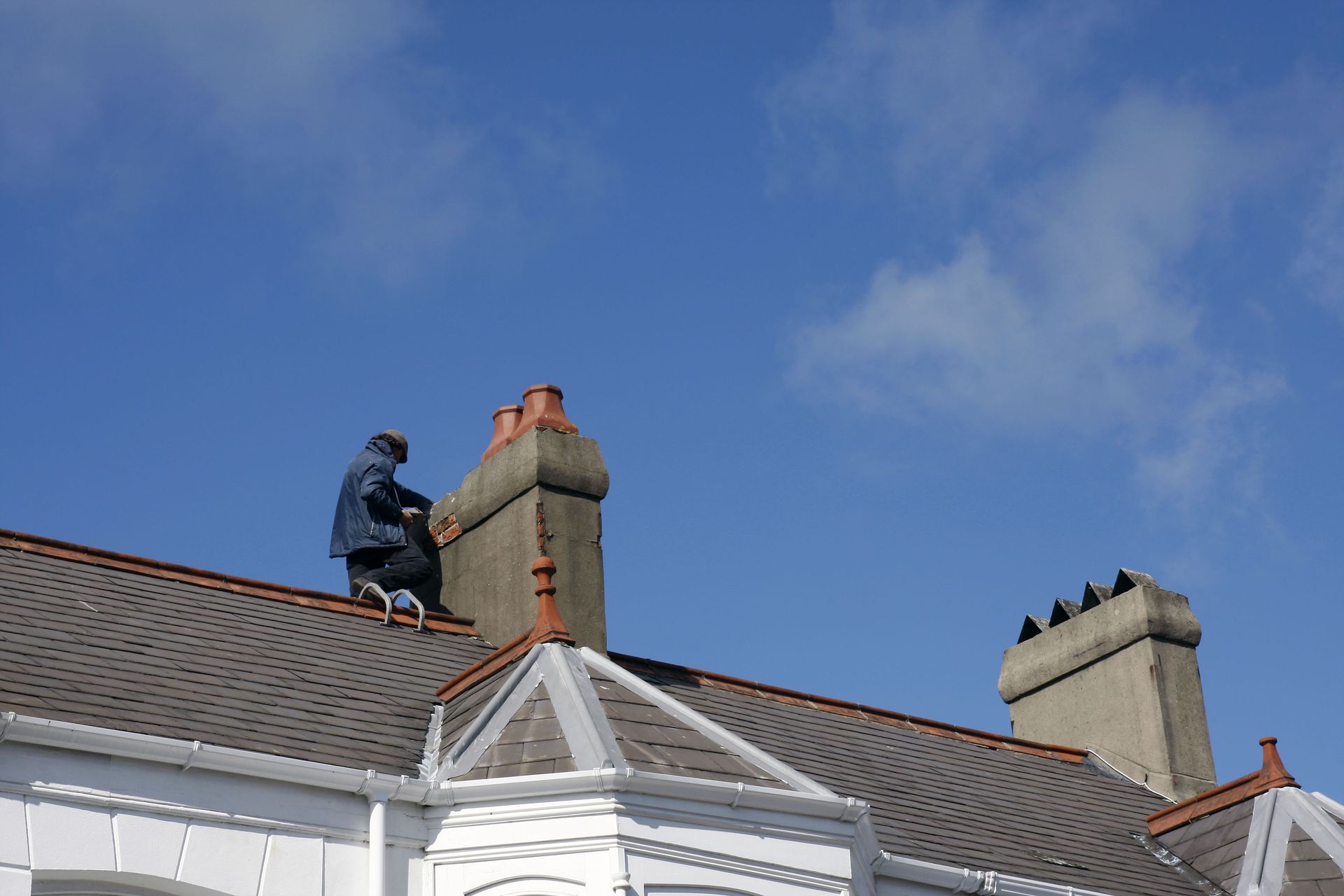
The masonry, mortar joints, flue liner, and metal components of a chimney system are all subject to the thermal cycling, moisture exposure, and physical stress that accumulate over years of regular use and that produce the cracks, spalling, and deterioration that compromise the chimney's ability to safely contain combustion gases and direct them out of the home. Chimney inspections performed by experienced professionals identify these structural conditions at the stage where targeted chimney repair can address them effectively before they have progressed to the point where more extensive and more expensive remediation is required to restore the system to a safe operating condition. The early detection of structural damage during a summer inspection — when the chimney is not actively in use and can be scheduled for repair before the heating season begins — produces the most efficient and the most financially sound maintenance outcome available to homeowners who take a proactive approach to chimney care.
Discovering Animal Nesting and Debris Obstructions
The warm months of spring and early summer in Central Ohio bring birds, squirrels, and other animals that commonly use unprotected chimney openings as nesting sites, and a chimney that was not capped or that has a damaged chimney cap may have an active or recently vacated nest blocking the flue by the time a homeowner prepares to use the fireplace for the first time in the fall. Chimney inspections that catch nesting material, debris accumulation, and blocked flues before the first fire of the season prevent the dangerous and damaging situations that result when combustion gases cannot escape properly through an obstructed flue and are instead forced back into the living space of the home. A professional chimney cleaning that follows the inspection removes all obstruction material and restores the unobstructed flue pathway that safe fireplace and stove operation requires throughout the upcoming heating season.
Evaluating the Stove System Alongside the Chimney
Homeowners who heat with a wood stove or pellet stove face the same annual inspection and cleaning requirements as those who use a traditional masonry fireplace, and a stove cleaning and inspection service that evaluates the stove's internal components alongside the connected chimney or flue pipe creates the most complete picture of the home's full heating system health before the season of regular use begins. Chimney inspections that extend to the stove itself allow technicians to examine the door gaskets, catalytic combustors if present, ash pans, and the connections between the stove and its flue to identify any component that has deteriorated over the previous season and that needs to be replaced or adjusted before the stove is put back into regular service. The combination of a thorough chimney inspection and a professional stove cleaning performed during the summer off-season gives the household the most comprehensive maintenance coverage available and the highest level of confidence that the entire heating system is ready to perform safely and efficiently when it is needed.
Protecting the Home Through Insurance and Documentation
Many homeowner's insurance policies include conditions related to the maintenance of wood-burning appliances and chimneys, and a documented annual inspection by a professional chimney service provides the record that demonstrates the homeowner has met those maintenance obligations if a claim is ever related to the fireplace or chimney system. Inspections that are performed by a licensed and insured professional service and that result in a documented service record give homeowners a verifiable maintenance history that supports their position with an insurance company and reflects the responsible stewardship of a heating system that carries inherent risk when it is not properly maintained on a consistent annual schedule. Working with a chimney service provider that also works with insurance companies gives homeowners an additional resource when chimney damage requires an insurance claim to be filed, ensuring that the documentation, repair estimates, and professional assessment the insurer needs are handled by a team with the experience to navigate that process on the homeowner's behalf.
Annual chimney inspections are one of the most straightforward and most financially sound investments in home safety that any Central Ohio homeowner with a fireplace or wood stove can make, protecting the household from fire risk, improving heating efficiency, and catching structural issues at the stage where they are most affordable to address. Whempys Chimney Services has proudly served homeowners throughout Central Ohio since 1979, offering chimney inspections, chimney cleaning, chimney repair, and stove cleaning and inspection services, all backed by over 45 years of family-owned experience, full licensure and insurance, fast quotes available, multilingual staff, work with insurance companies, a returning customer discount of $20, a 10% discount for veterans and seniors, Nextdoor Neighborhood Favorite recognition from 2023 through 2026, and the trusted expertise of a Central Ohio team that has been protecting homes and families for nearly five decades. For more information, contact us today!