November 4, 2026
As a homeowner, ensuring the safety and efficiency of your chimney is crucial. A professional chimney sweep is an essential service that helps prevent fire hazards, remove dangerous buildup, and improve heating efficiency. Understanding the cleaning process allows homeowners to prepare for appointments and make informed maintenance decisions. Regular chimney care also helps identify developing problems before they require expensive repairs. From scheduling an appointment to reviewing inspection findings, knowing what to expect can make the experience more convenient and reassuring.
Choosing a Reputable Chimney Cleaning Company
Selecting a qualified service provider is the first step toward maintaining a safe fireplace. Homeowners should research local companies, examine customer reviews, and request recommendations from trusted sources. Checking professional credentials, insurance coverage, and industry experience can help identify dependable technicians. Certifications from organizations such as the Chimney Safety Institute of America (CSIA) demonstrate specialized training and knowledge of established maintenance practices.
Before hiring a chimney sweep, ask about the company's inspection procedures, cleaning methods, and service guarantees. Reputable professionals should explain their qualifications and provide transparent information about what their appointments include. Comparing several providers can help homeowners find dependable service without sacrificing quality or safety.
Scheduling and Preparing for Your Appointment
Scheduling chimney maintenance requires some planning, particularly during autumn when homeowners prepare their fireplaces for colder weather. Spring and summer appointments may offer greater scheduling flexibility because demand is generally lower. Contacting a provider early helps secure a convenient appointment and leaves sufficient time to address potential repairs before winter.
Before the technician arrives, remove furniture, decorations, and other belongings surrounding the fireplace. Clear access to the hearth and chimney components, and keep children and pets away from the work area. Although professionals typically bring protective coverings, homeowners can take additional precautions to safeguard valuable furnishings.
Communicate any concerns when scheduling your appointment. Unusual odors, smoke entering living spaces, poor fireplace performance, and visible masonry damage are important details to share. Providing this information helps technicians prepare appropriate equipment and identify areas requiring closer examination.
Understanding the Initial Chimney Inspection
A professional chimney sweep typically begins with an assessment of the fireplace and accessible chimney components. During this evaluation, the technician examines the flue, damper, smoke chamber, and visible masonry for signs of deterioration or obstruction. Depending on the inspection level required, specialized cameras may help reveal conditions that are difficult to observe directly.
Common problems include creosote accumulation, damaged flue liners, deteriorating mortar, and debris obstructing ventilation. Bird nests and other animal-related blockages can also interfere with proper airflow. These conditions may increase the likelihood of chimney fires, smoke problems, or dangerous combustion gases entering the home.
Technicians should explain significant findings and recommend appropriate corrective measures. Some concerns require additional inspections or specialized repairs before the fireplace can be used safely. Understanding these recommendations allows homeowners to prioritize maintenance and avoid unnecessary risks.
Identifying Creosote Buildup and Other Hazards
Creosote is a combustible residue produced when wood burns. As smoke travels through the chimney, certain combustion byproducts can condense along the interior walls. Over time, these deposits accumulate and may become increasingly difficult to remove. Heavy buildup increases the risk of chimney fires, making routine cleaning particularly important for wood-burning fireplaces.
Moisture intrusion presents another concern. Damaged chimney crowns, deteriorating flashing, and missing caps can allow water to enter the structure. Continued exposure may weaken masonry, damage interior materials, and accelerate deterioration. Identifying moisture-related problems early can reduce the likelihood of extensive structural repairs.
A qualified technician can distinguish between ordinary maintenance needs and conditions requiring immediate attention. Homeowners should avoid operating fireplaces when serious ventilation problems or structural hazards remain unresolved.
Exploring Professional Cleaning Tools and Techniques
During a chimney sweep appointment, technicians use specialized brushes, rods, vacuum equipment, and protective materials to remove accumulated deposits. Brush selection depends on the chimney's construction and liner material. Using suitable equipment helps prevent unnecessary damage while allowing technicians to clean difficult-to-reach surfaces.
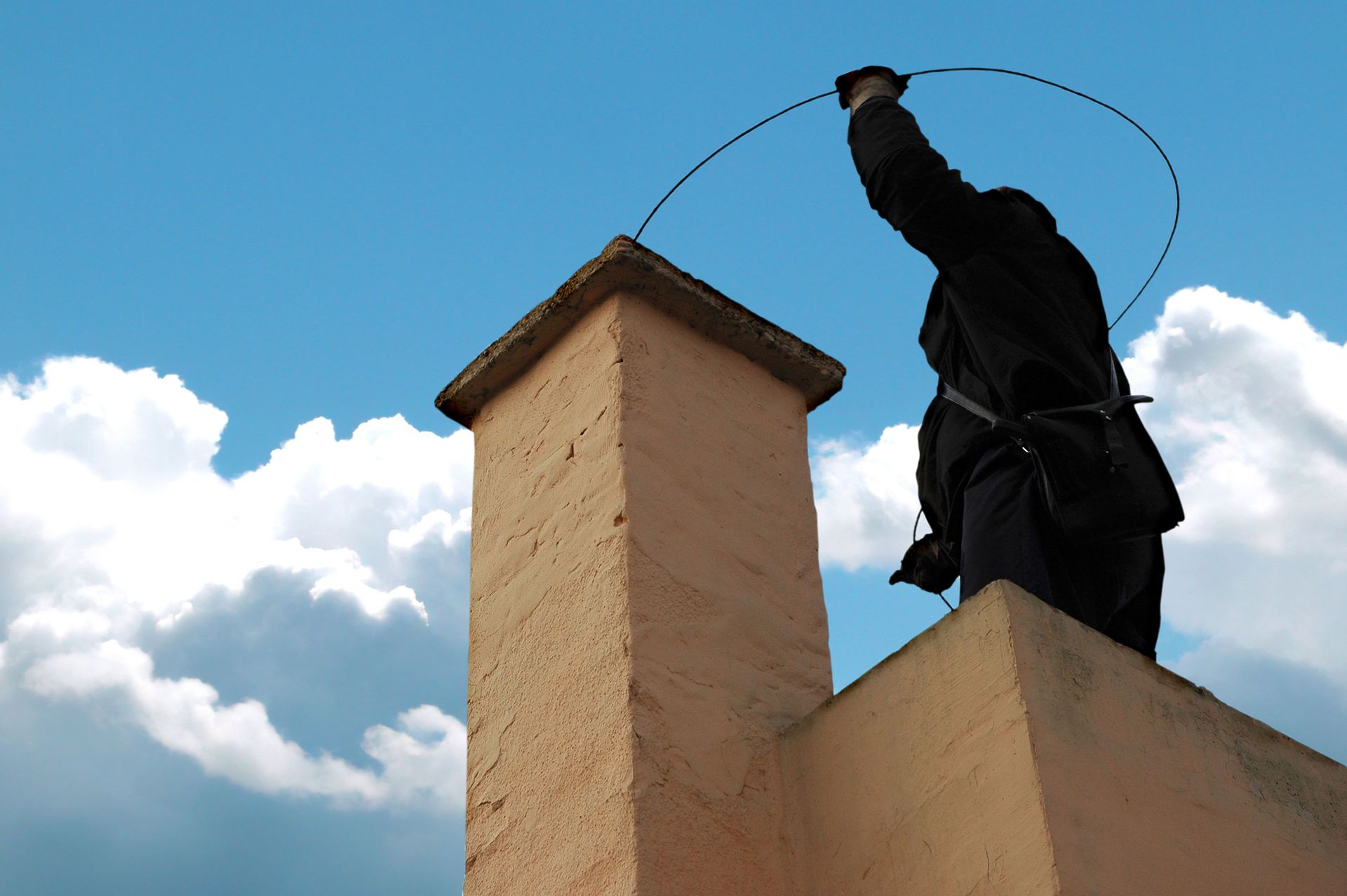
The cleaning process generally involves protecting the surrounding area, accessing the flue, and loosening soot and creosote deposits. High-efficiency vacuum equipment may capture falling particles and help prevent dust from spreading throughout the home. Technicians may clean from the roof, fireplace opening, or both, depending on the system's configuration.
After removing accessible deposits, the technician checks the cleaned areas for remaining obstructions. Particularly stubborn glazed creosote may require specialized treatment beyond ordinary brushing. Thorough cleaning supports proper ventilation and helps maintain reliable fireplace performance.
Protecting Your Home During the Cleaning Process
Professional technicians take precautions to minimize disruption and protect interior surfaces. Drop cloths, protective sheeting, and specialized vacuum systems help contain soot and debris. These measures are especially important because chimney deposits can stain carpets, upholstery, and surrounding furnishings.
Homeowners should maintain a safe distance from the work area while cleaning takes place. Keeping nearby doors closed may also help prevent pets and children from entering the workspace. Technicians should use appropriate protective equipment when handling potentially irritating combustion residues.
Once cleaning is complete, the service provider should remove protective materials and inspect the surrounding area for remaining debris. Proper cleanup demonstrates professionalism and allows homeowners to resume normal household activities with minimal inconvenience.
Understanding Service Duration and Additional Maintenance
According to HomeGuide, a chimney sweep typically takes approximately one to two hours. However, appointment length depends on chimney accessibility, system complexity, deposit accumulation, and inspection requirements. Well-maintained fireplaces may require less cleaning time, while heavily neglected systems can demand additional attention.
Some properties require supplementary services beyond routine cleaning. These may include chimney cap replacement, masonry repairs, damper adjustments, or flue liner evaluations. Technicians may also recommend installing protective caps to discourage animals from entering the chimney.
Homeowners should request explanations and estimates before authorizing additional work. Understanding which services are necessary immediately and which can be scheduled later helps establish realistic maintenance priorities.
Reviewing Post-Cleaning Findings and Recommendations
After completing the cleaning, the chimney sweep should review the work performed and discuss any remaining concerns. This conversation may include the amount of residue removed, the condition of accessible components, and recommendations for future maintenance. Technicians should clearly distinguish completed cleaning from any additional repairs or inspections that remain necessary.
Homeowners may receive a written service summary documenting inspection observations and suggested improvements. Keeping these records creates a useful maintenance history and may support future property transactions or insurance inquiries.
This is also an appropriate opportunity to ask about fireplace operation, fuel selection, and warning signs requiring professional attention. Understanding proper burning practices and ventilation requirements can help homeowners reduce unnecessary residue accumulation between appointments.
Comparing Service Costs and Professional Qualifications
Chimney maintenance costs vary according to geographic location, chimney height, accessibility, and service complexity. Routine cleaning and basic inspections may be included in a standard appointment, while advanced inspections and specialized repairs generally involve additional charges.
Before scheduling a chimney sweep, request an itemized estimate describing the services included. Ask whether the quoted price covers inspection, debris removal, documentation, and cleanup. Understanding potential charges for additional equipment, extensive deposits, or difficult access can help prevent unexpected expenses.
Professional chimney maintenance plays an important role in protecting residential properties, improving fireplace performance, and identifying potentially dangerous conditions. Understanding the scheduling process, inspection procedures, cleaning techniques, and post-service recommendations helps homeowners prepare for each appointment. Regular maintenance also provides opportunities to identify structural deterioration before it develops into more expensive problems. Contact our team at Whempys Chimney Services today and learn more about our chimney sweeping services.